Looking for a Vermont weekend that feels cultured, scenic, and genuinely small-town? Weston offers a rare mix of village charm, professional theater, and easy access to the outdoors, all in a town where weekend living is already part of the rhythm. If you are thinking about visiting, buying a second home, or simply getting to know this corner of Southern Vermont, Weston gives you a clear sense of place. Let’s dive in.
Why Weston stands out
Weston is a small Green Mountains community that was incorporated in 1799 and grew around a village center and canal-powered mill settlement. Today, it still revolves around a modest main street and the Route 100 corridor, which helps preserve its intimate, village-focused feel.
That scale is part of what makes Weston different. The 2020 Census counted 623 residents, and the town plan reports that about 45% of dwellings are used seasonally. In practice, that creates a market and lifestyle shaped by weekend visitors, second homeowners, and people who value a quieter setting over a larger resort-town pace.
Weston’s economy also reflects that identity. According to the town plan, retail, tourism, construction, and services for second homeowners and retirees all play a major role, with cultural institutions helping define the town itself.
Start with the theater
For many visitors, the Weston Theater Company is the heart of a weekend in town. The company reports a 90-year legacy and describes itself as the oldest professional theater in Vermont and the 13th oldest in the nation.
That kind of cultural anchor is unusual in a town this size. The theater runs a summer season along with off-season development, retreats, and special events, giving Weston a level of arts presence that feels larger than its population.
The original Weston Playhouse adds even more character to the experience. It is a 306-seat Greek Revival building owned by the Weston Community Association and used by the theater company during the summer season.
If you are house hunting, this matters more than you might think. A town’s lifestyle is shaped by the places people return to, and in Weston, the playhouse is one of those places.
Explore Weston village life
Beyond the stage, Weston offers a compact but memorable village experience. The theater’s village guide describes Weston as a Route 100 destination in the West River Valley, with the Weston Playhouse, the Vermont Country Store, the Weston Priory, and a collection of locally owned inns, restaurants, shops, and art galleries.
The Vermont Country Store is one of the town’s best-known landmarks. Weston’s official history says it was established here in 1946 by Vrest and Ellen Orton, and it remains part of the town’s identity for both visitors and longtime property owners.
The Village Green adds another layer to daily life. The town notes that the green dates to 1886 and is maintained as a fee-free public park with no commercial activities allowed, which helps preserve its simple, civic character.
Taken together, these places create a weekend that feels easy to enjoy. You can spend the morning strolling the village, the afternoon browsing shops or relaxing outdoors, and the evening at the theater without feeling rushed.
Add outdoor time to your weekend
Weston is not only about village life. It also offers practical access to recreation, which is a major draw for buyers looking for a four-season second home.
The town’s recreation page highlights the Weston Recreation Area for swimming, tennis, basketball, and picnicking. It also points to Green Mountain National Forest access and Greendale Campground for more time outside.
The town plan shows how much public land supports that lifestyle. Green Mountain National Forest includes about 9,340 acres in Weston, and Okemo State Forest adds about 860 acres more.
Those public lands support hiking, skiing, snowmobiling, the Catamount Cross Country Ski Trail, and VAST routes. The same plan also identifies Cold Spring Brook Park, the Village Green, class IV roads, and the Terrible Mountain Natural Area as part of the town’s broader network for walking, biking, and outdoor use.
For a weekend visitor, that means you do not have to choose between culture and recreation. In Weston, both are part of the same outing.
What a weekend in Weston feels like
A weekend here often feels intentionally low-key. You are not navigating a large downtown or a dense commercial district. Instead, you are moving between the village, the playhouse, public green spaces, and nearby trails at a pace that suits a getaway.
That slower tempo lines up with the housing market too. Weston’s high share of seasonal homes helps explain why the town often appeals to buyers who want a retreat rather than a full-scale resort environment.
If you are coming from Boston, New York, Connecticut, or New Jersey, Weston can feel like a place where the lifestyle is the point. You are not just buying square footage. You are buying access to a specific kind of Vermont weekend.
What homes in Weston look like
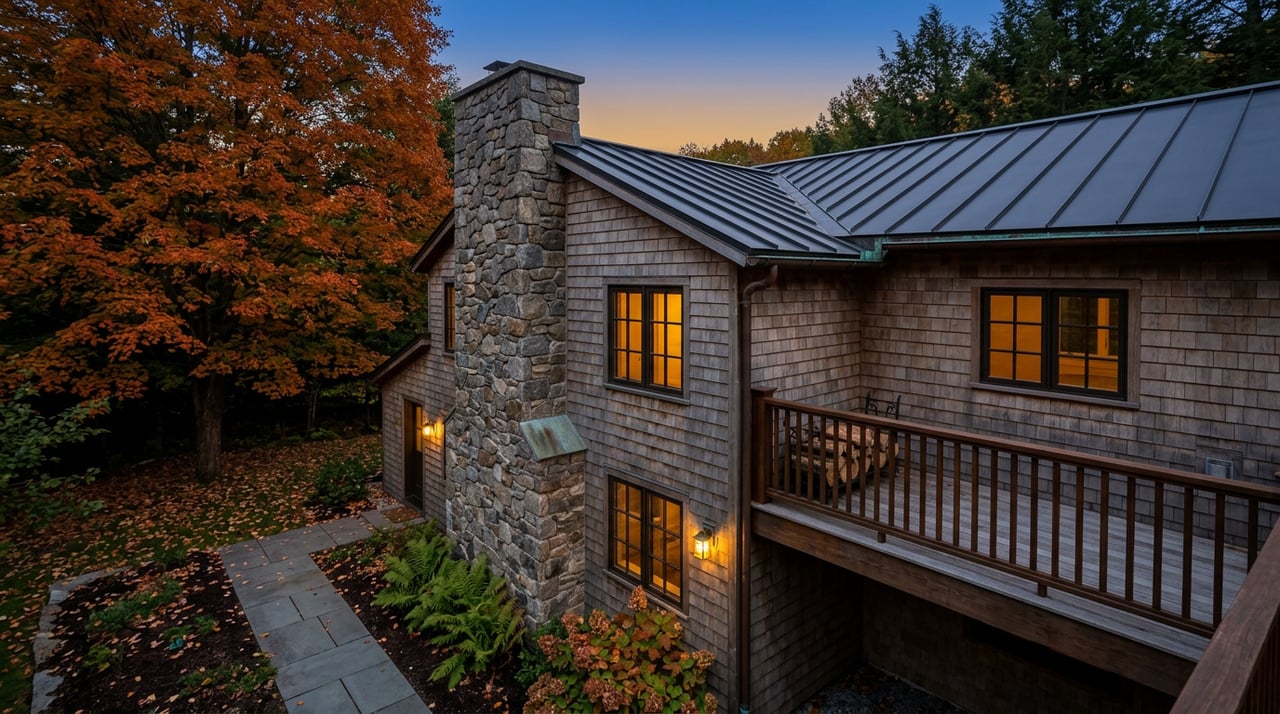
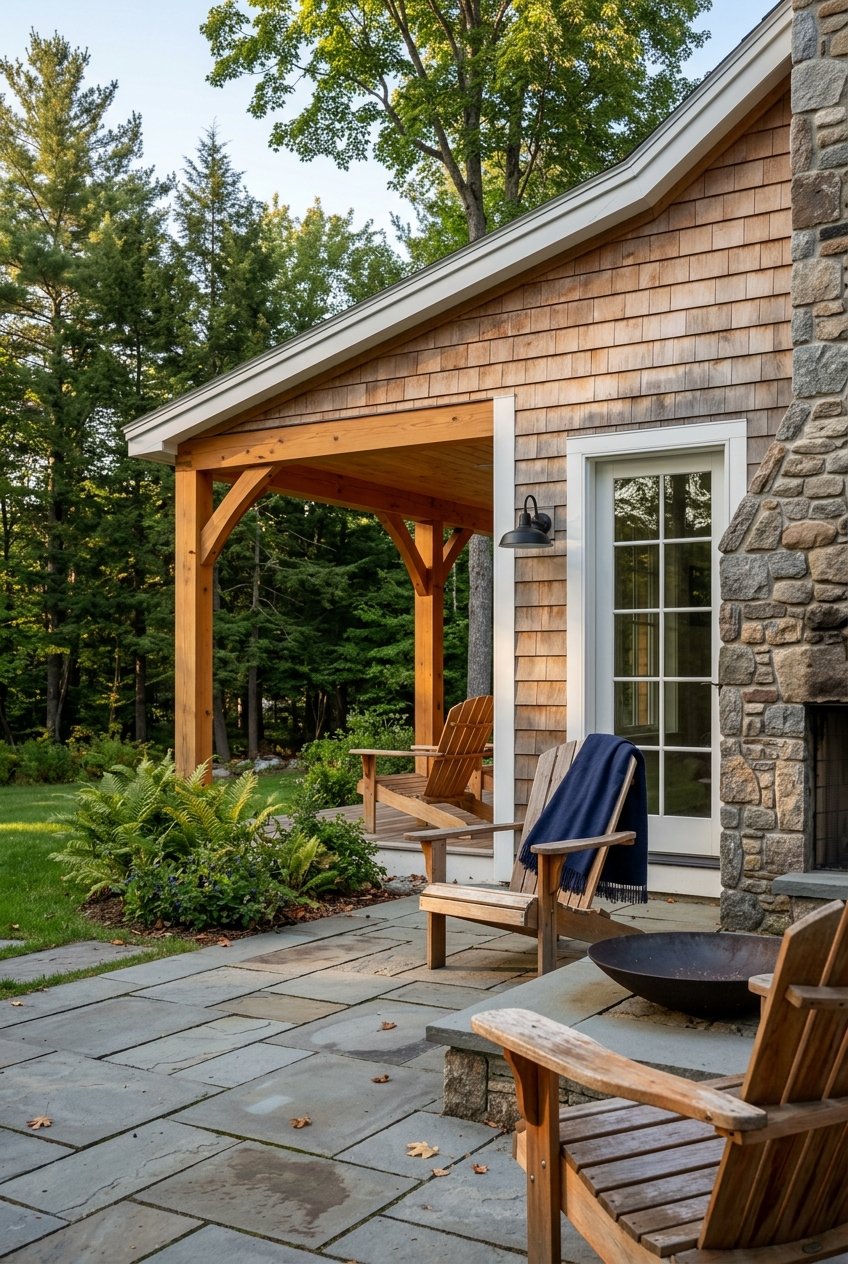
Weston’s housing pattern is shaped by space and privacy. The town plan says housing is the dominant developed land use, and most residents live in dispersed single-family homes outside the village center.
The same plan notes that many buyers are drawn to the rural appearance and low-density pattern. If you are looking for a compact village setting with a lot of nearby activity, Weston offers that in small doses, but the broader housing stock leans toward detached homes with room around them.
The numbers reinforce that picture. In 2020, Weston had 560 housing units, including 251 primary residences, 252 second homes, and 41 rentals.
That split matters for buyers and sellers alike. It tells you Weston is not simply a local commuter market. It is a town where second-home ownership is a central part of how the real estate market functions.
Why inventory can feel limited
Weston’s housing supply moves on a relatively slow pipeline. From 2019 through 2023, the town averaged about three zoning permits per year for single-family or two-family homes, along with only two accessory dwelling unit permits and no multi-family permits.
The existing inventory is also fairly traditional. Nearly 90% of homes are detached single-family dwellings, 56% were built before 1980, and 27% were built before 1950.
For you as a buyer, that can mean fewer turnkey, newly built options. For you as a seller, it can mean that a well-prepared property with strong presentation may stand out in a market where each listing has to be understood on its own terms.
Practical questions to ask before buying
Weston’s appeal is real, but so are the practical details. The town does not have municipal water or sewer, so homes rely on private wells and septic systems.
That infrastructure profile is one reason higher-density development is limited. It also means buyers should ask clear questions about well capacity, septic condition, maintenance history, and whether a property is set up for seasonal or year-round use.
Flood exposure is another key issue. The town plan notes that the village center and many homes sit in flood-prone areas near the West River and its tributaries, and the July 2023 flood had major local impacts.
Older homes can also come with upkeep considerations. Since a significant share of the housing stock predates 1980, and many homes were built before 1950, it is worth looking closely at systems, drainage, access, and long-term maintenance needs.
A market shaped by second-home demand
Weston’s market has been influenced for decades by non-resident buyers. The town plan says second-home demand has been the primary driver of real estate sales in recent decades, and that demand can push up land, labor, and construction costs.
Prices can also look uneven from year to year because the market is small. The town plan reports a median home sale price of $235,000 in 2022 after $419,500 in 2020, noting that the small number of transactions makes the median highly variable.
That is why local context matters here. In a market with limited inventory, older housing stock, and a strong second-home presence, broad national talking points rarely tell the whole story.
Why local guidance matters in Weston
Buying or selling in Weston is often as much about interpretation as it is about data. You want to understand how a home fits into the town’s seasonal rhythm, where it sits relative to the village and recreation, and what practical ownership factors may affect value over time.
That is especially true in a place where many homes are detached, supply is limited, and every property can offer a different mix of setting, age, infrastructure, and weekend appeal. A polished listing strategy and clear local insight can make a real difference.
If Weston is on your radar, it helps to work with a team that understands both the lifestyle and the market dynamics across Southern Vermont. Whether you are looking for a second home, preparing to sell, or comparing Weston with nearby towns, Wohler Realty Group can help you navigate the details with local perspective and tailored service.
FAQs
What makes Weston different from a larger Vermont resort town?
- Weston is a smaller, village-centered town with 623 residents, a strong cultural identity, a high share of seasonal homes, and a slower housing pipeline than larger mountain destinations.
What can you do during a weekend in Weston, Vermont?
- A typical weekend can include a performance at the Weston Playhouse, time in the village, a visit to the Vermont Country Store, and outdoor recreation like hiking, swimming, tennis, or exploring nearby public lands.
What types of homes are common in Weston, Vermont?
- Weston’s housing stock is mostly detached single-family homes, often set outside the village center in a low-density rural pattern.
What should buyers ask about Weston properties?
- Buyers should ask about septic systems, private wells, flood exposure, older-home maintenance, and whether a home is suited for seasonal or year-round use.
Is Weston a strong second-home market?
- Yes. In 2020, Weston had 252 second homes and 251 primary residences, and the town plan says non-resident demand has been a primary driver of sales in recent decades.